
Introduction
Artificial Intelligence (AI) has evolved from a research concept into a core driver of modern business innovation. Organizations across industries are adopting AI to improve efficiency, enhance decision-making, and deliver personalized customer experiences. As AI technology matures, its impact is becoming both broader and deeper.
The Evolution of AI in Business
Early AI systems were rule-based and limited in scope. Today, machine learning and deep learning models can analyze massive datasets, recognize patterns, and continuously improve over time. Businesses now use AI for forecasting, automation, and strategic planning rather than simple task execution.
Key Business Applications of AI
AI adoption is accelerating due to its practical benefits:
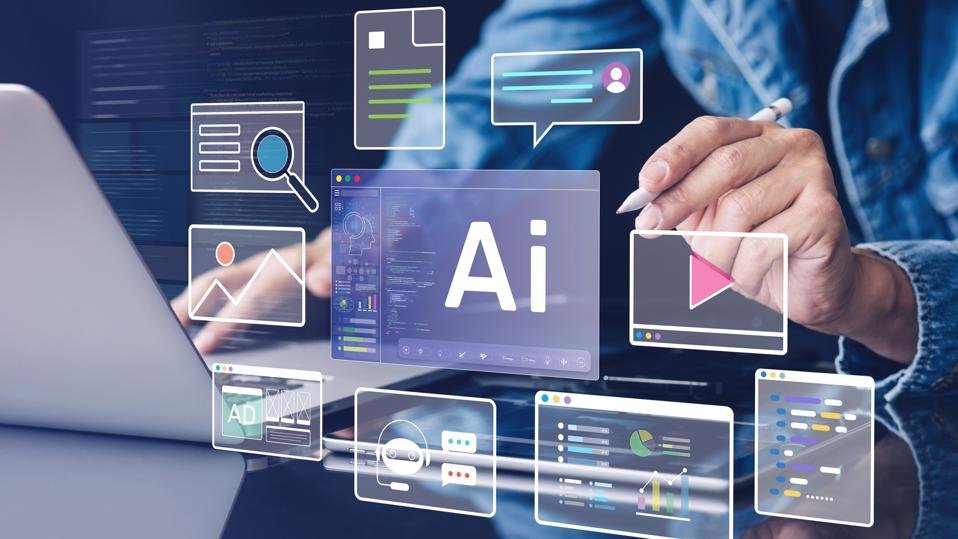
- Customer support automation through intelligent chatbots
- Predictive analytics for demand forecasting and risk management
- Personalized marketing based on user behavior and preferences
- Process automation in finance, HR, and supply chain operations
These applications allow organizations to reduce costs while improving accuracy and speed.
AI and Workforce Transformation
Contrary to common fears, AI is not eliminating jobs at scale but reshaping them. Employees increasingly work alongside AI systems, focusing on creative, analytical, and strategic tasks. Businesses that invest in upskilling their workforce gain a competitive advantage.
Ethical and Governance Considerations
As AI becomes more influential, concerns around data privacy, bias, and transparency grow. Responsible AI frameworks emphasize fairness, explainability, and compliance with regulations. Trust is now a critical factor in AI adoption.
Conclusion
AI is no longer optional for forward-thinking organizations. Companies that align AI strategy with business goals, ethical standards, and human expertise will lead the next phase of digital transformation.